
Understanding Calcium Flux Assay: What It Is and Why It’s Important
A calcium flux assay is a pivotal method in biological research, designed to measure the mobilisation of intracellular calcium. This fluorescence-based technique is essential for detecting the release of calcium ions (Ca²⁺) into the cytoplasm, providing insights into various cellular processes. Its primary importance lies in its ability to reveal dynamic changes in calcium levels, which are crucial for understanding cellular signalling pathways and physiological responses. The principle of a calcium flux assay involves the use of a calcium-sensitive fluorescent dye. This dye penetrates the cell membrane and binds to calcium ions released from intracellular stores. As calcium binds to the dye, there is an increase in fluorescence intensity. This change in fluorescence is directly proportional to the amount of intracellular calcium released, allowing researchers to quantify calcium levels accurately. This precise quantification is critical for studying how cells respond to different stimuli, such as hormones or neurotransmitters. The relevance of calcium flux assays extends to analysing cellular functions like muscle contraction and enzyme activation. Intracellular calcium acts as a second messenger in numerous biological processes. In muscle cells, for instance, calcium release triggers contraction by interacting with proteins like troponin and tropomyosin. In enzymatic processes, calcium can activate or inhibit enzymes, modulating metabolic pathways. By employing calcium flux assays, researchers can explore these intricate cellular activities, contributing to our understanding of diseases and aiding in the development of therapeutic interventions.Methodology: Conducting a Calcium Flux Assay
Conducting a calcium flux assay involves a series of meticulously planned steps to ensure accurate measurement of intracellular calcium levels. The process begins with the use of calcium-sensitive dyes like Fluo-8 or Fura-2, which can permeate cell membranes, allowing for effective assay conduction. These dyes bind to calcium ions, resulting in a change in fluorescence intensity that is indicative of intracellular calcium mobilisation. Cells are prepared and stained with these indicators, followed by analysis using techniques such as flow cytometry or microplate readers to detect fluorescence changes. Here are the specific steps involved in conducting a calcium flux assay:- Cell Preparation: Begin by culturing cells in appropriate media to ensure they are in optimal condition for the assay. Adherent cells may require detaching and reseeding into microplates.
- Dye Loading: Incubate cells with a calcium-sensitive dye, such as Fluo-8 or Fura-2. This step involves adding the dye to the cell culture and allowing it to penetrate the cell membrane and bind to intracellular calcium.
- Incubation: Following dye loading, incubate the cells at a suitable temperature (usually 37°C) to facilitate dye binding and cellular equilibration.
- Fluorescence Detection: Use flow cytometry or a microplate reader to measure changes in fluorescence. This step involves monitoring the fluorescence intensity, which correlates with calcium ion concentration.
- Data Collection: Gather data on fluorescence changes over time. This involves recording the fluorescence signals, which are then analysed to determine the level of intracellular calcium mobilisation.
Applications of Calcium Flux Assays in Research and Drug Discovery
 Calcium flux assays play a pivotal role in high-throughput screening (HTS) for drug discovery, particularly in the assessment of G protein-coupled receptors (GPCRs). These receptors are essential targets due to their involvement in numerous physiological processes and their implication in a wide range of diseases. By utilising miniaturised in vitro cell-based assays, calcium flux assays enable the efficient screening of large compound libraries to identify potential drug candidates. The ability to measure intracellular calcium levels provides valuable insights into GPCR activity, facilitating the identification of agonists and antagonists that could modify receptor function.
Specific applications of calcium flux assays include:
Calcium flux assays play a pivotal role in high-throughput screening (HTS) for drug discovery, particularly in the assessment of G protein-coupled receptors (GPCRs). These receptors are essential targets due to their involvement in numerous physiological processes and their implication in a wide range of diseases. By utilising miniaturised in vitro cell-based assays, calcium flux assays enable the efficient screening of large compound libraries to identify potential drug candidates. The ability to measure intracellular calcium levels provides valuable insights into GPCR activity, facilitating the identification of agonists and antagonists that could modify receptor function.
Specific applications of calcium flux assays include:
- Identification of Agonists and Antagonists: Screening compounds to find those that activate or inhibit GPCRs, which are key to developing new pharmaceuticals.
- Studying Cellular Signalling Pathways: Understanding how various signalling molecules affect intracellular calcium levels, revealing insights into complex cellular mechanisms.
- GPCR-Mediated Drug Screening: Evaluating the efficacy of compounds on GPCRs, which are implicated in conditions such as cancer, cardiovascular diseases, and neurological disorders.
- Pharmacological Profiling: Characterising the potency and efficacy of novel compounds by analysing their impact on calcium signalling pathways.
Key Tools and Techniques: Indicators, Readers, and Controls
Selecting the right calcium indicators is fundamental in calcium flux assays, as these tools directly influence the accuracy and reliability of the measurements. Calcium indicators are specialised dyes that bind to calcium ions, changing their fluorescence properties to allow for precise detection and quantification of intracellular calcium levels.- Fluo-4
- Fluo-8
- Cal-520
- Calbryte™ 520
- Fura-2
- Indo-1
Data Analysis and Interpretation in Calcium Flux Assays
Data analysis in calcium flux assays is crucial for obtaining meaningful results. This process begins with normalising the ratio of maximal signal over background using control wells. Normalisation ensures that variations unrelated to the experimental conditions are accounted for, providing a clearer picture of intracellular calcium mobilisation. By comparing the fluorescence intensity of test samples to that of controls, researchers can accurately quantify calcium levels and assess cellular responses.| Step | Description |
| Data Collection | Record fluorescence intensity over time to capture changes in intracellular calcium. |
| Normalisation | Adjust data by comparing the maximal signal to the background level using control wells. |
| Quantification | Calculate the concentration of intracellular calcium based on normalised fluorescence data. |
| Analysis | Determine the activity of test compounds, identifying agonist or antagonist effects. |
Troubleshooting and Optimising Calcium Flux Assays
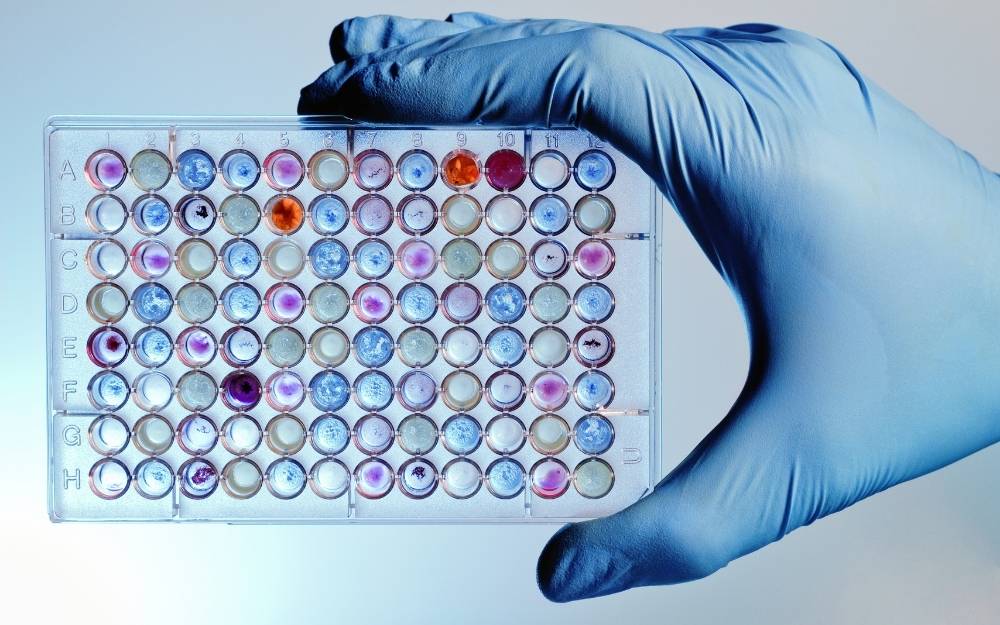 Calcium flux assays can encounter several common issues that may affect the accuracy and reliability of results. One frequent problem is inadequate dye loading, which can lead to insufficient fluorescence signal. This might occur due to suboptimal incubation times or incorrect dye concentrations. Another issue is high background fluorescence, often caused by non-specific binding of the dye or inadequate washing steps. Additionally, variability in cell health or density can significantly impact assay outcomes, leading to inconsistent results.
- Adjusting indicator concentrations: Ensure that the dye concentration is optimal to provide a strong, specific signal without causing saturation or non-specific binding.
- Ensuring proper controls: Implement single stain and specific calcium assay controls to differentiate true signals from background noise, validating the assay’s accuracy.
- Maintaining consistent assay conditions: Standardise incubation times, temperatures, and cell densities to reduce variability and improve the reproducibility of results.
Final Words
The calcium flux assay stands as a crucial tool in examining intracellular calcium mobilisation, offering insights into cellular functions. Its underlying principle involves using fluorescent dyes that signal the presence of calcium ions, proving invaluable in both basic research and drug discovery, particularly for targeting GPCRs through high-throughput screening. Employing precise methodology and the right tools, such as specific indicators and plate readers, enhances the assay’s effectiveness. Accurate data analysis furthers our understanding of receptor activities and potential drug candidates. Optimisation and troubleshooting ensure reliable outcomes, making the calcium flux assay an indispensable component in modern biological research.
Rachel is an expert in digital archiving and information retrieval, exploring innovative methods for document preservation and accessibility.